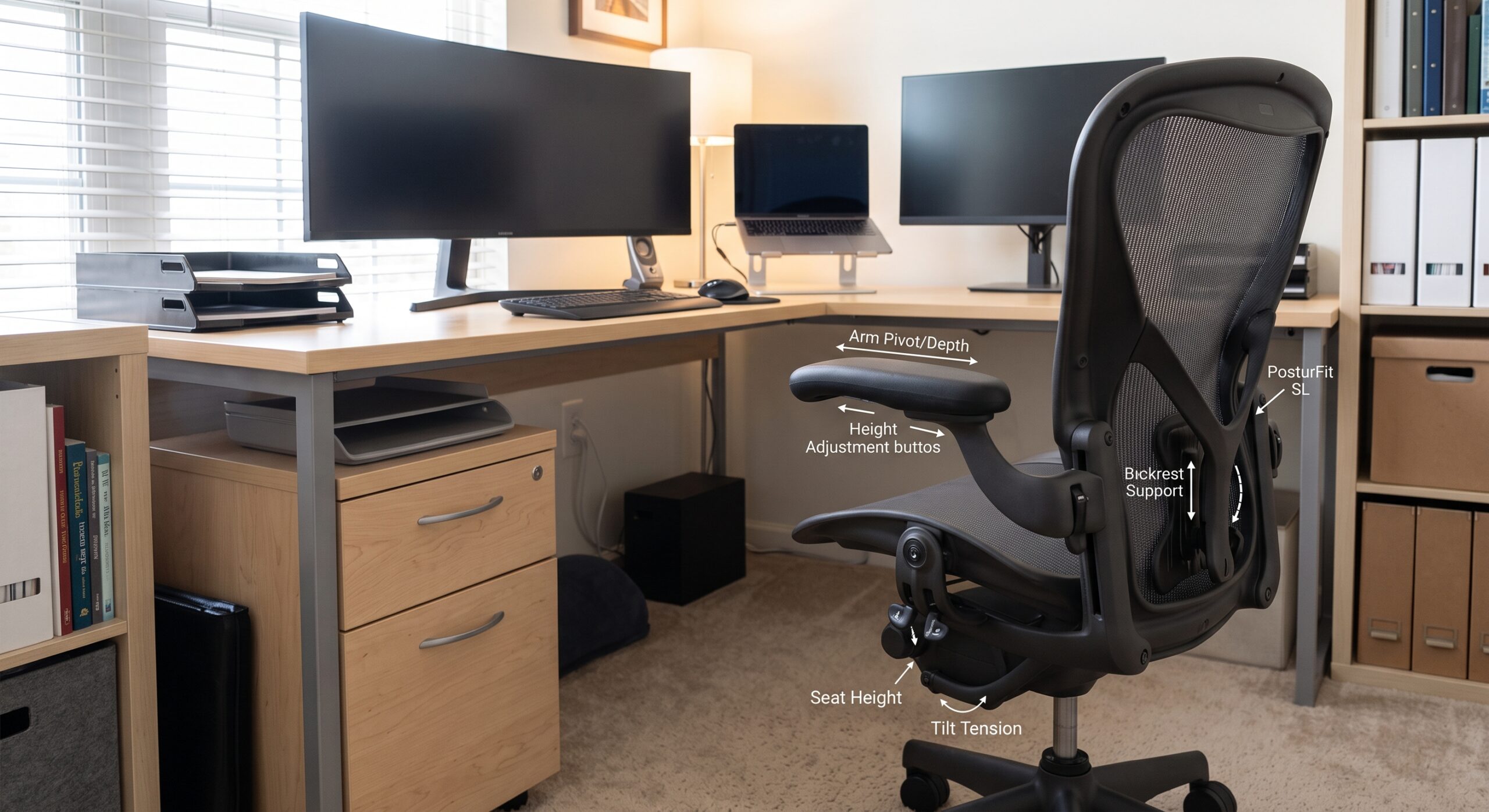
Office storage should make work easier, not simply hide clutter. The right filing cabinet, bookcase or storage piece depends on what the office needs to keep, how often employees access it, how much floor space is available and whether the contents need to be secured.
A storage plan also affects the rest of the workspace. Oversized cabinets can crowd a workstation, undersized filing can push documents onto desks, and open shelving can become difficult to manage when the office actually needs concealed storage. This guide explains how to choose office storage furniture around the way the space is used.
Choose storage based on the material first. Use filing cabinets for organized paper records, bookcases for books and reference materials, closed cabinets for supplies or items that should stay out of view, and compact pedestal storage for frequently used items near a workstation. Then compare capacity, dimensions, access frequency, security and placement before choosing a size.
Storage works best when each piece has a defined purpose. Before comparing cabinet styles, make a list of what the office actually needs to keep.
This step helps separate items that need quick access from items that can be stored farther away. It also prevents the common mistake of buying one large cabinet and expecting it to handle every type of storage equally well.
Filing cabinets are designed around document storage, but the right configuration depends on how many files the office has and how employees retrieve them.
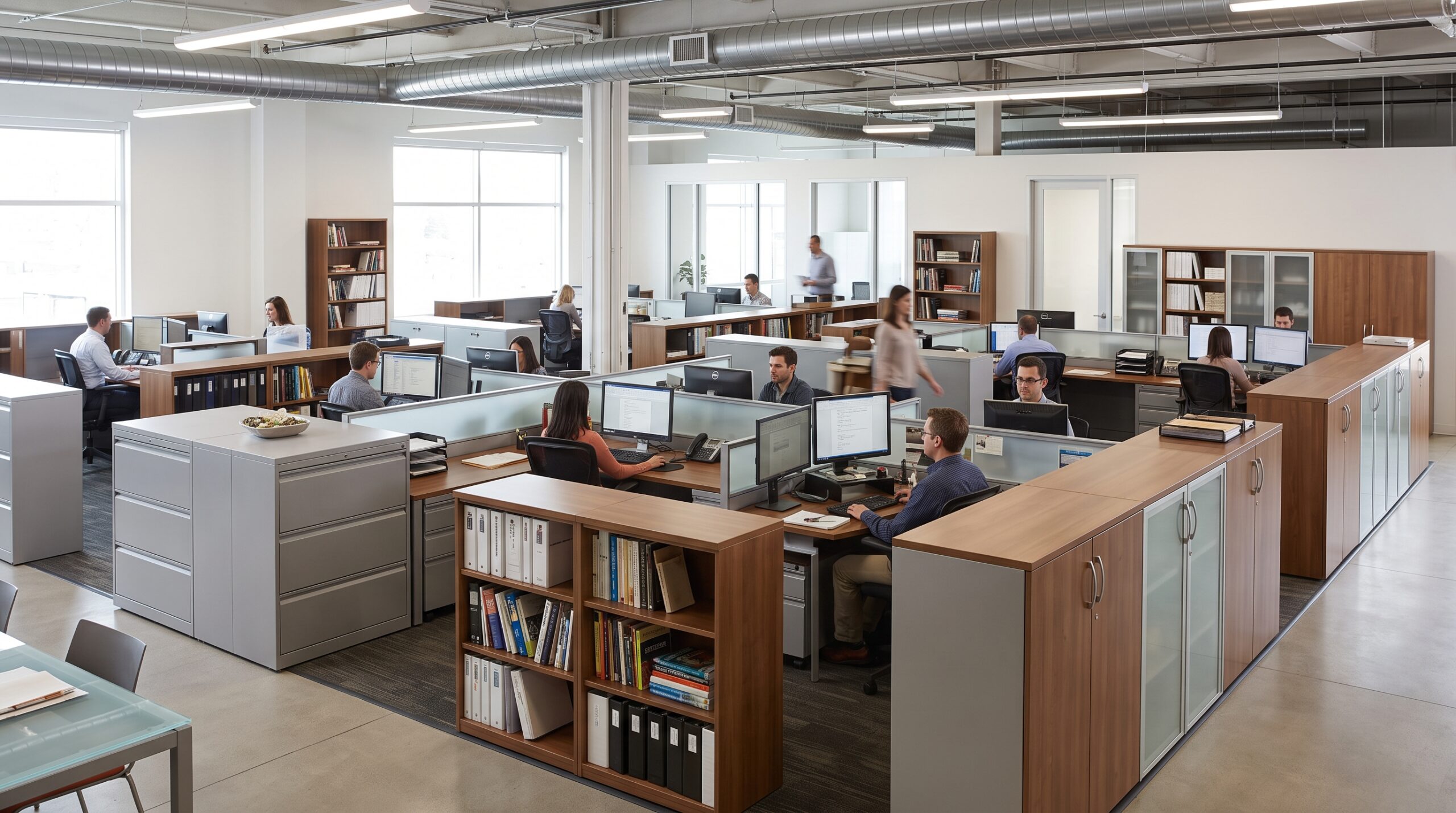
Lateral files are wider cabinets with drawers that extend across the front of the unit. They can work well where wall width is available and the office needs higher-volume filing in a relatively shallow footprint. The wide top can also provide an additional surface for supplies or equipment when the cabinet is placed against a wall.
Vertical files use a narrower front and deeper drawer. They can be useful when wall width is limited, but the drawer depth and the space required in front of the cabinet should be considered before placing one in a tight aisle.
A mobile pedestal keeps a smaller amount of filing and supplies close to an individual workstation. This can reduce unnecessary trips to shared storage when employees regularly use the same files or materials during the day.
Closed cabinets are useful when the office needs to store supplies, equipment or mixed materials that do not fit traditional file drawers. Doors also keep the contents out of view, which can help maintain a cleaner appearance in shared or client-facing spaces.
Bookcases are a practical choice for books, binders and reference materials that employees need to see and reach easily. Open shelving also works well for display items, sample materials or frequently used resources that do not need to be secured.
The tradeoff is visibility. Open shelves make organization more important because everything remains on display. For rooms where a cleaner visual appearance is the priority, a bookcase with doors or a closed storage cabinet may be a better fit.
Storage Type | Works Well For | What to Consider |
Open bookcase | Books, binders, reference materials and display items | Contents remain visible and should be kept organized |
Bookcase with doors | Reference materials, supplies and mixed storage | Door clearance and access frequency |
Lateral file | Higher-volume paper filing | Wall width and drawer clearance |
Vertical file | Paper records where wall width is limited | Deeper drawer footprint |
Mobile pedestal | Personal files and daily supplies | Space under or beside the workstation |
The answer depends on what still needs to exist physically. Many offices have reduced paper storage, but that does not mean storage disappears. Supplies, binders, equipment, personal items and archived records still need a defined place.
Instead of estimating from the old office, count the materials that will actually remain in the new layout. Measure existing file drawers, shelves and cabinets that are currently in use. This gives you a better starting point than purchasing storage based only on the number of employees.
Not every employee needs the same amount of storage. Some teams work almost entirely digitally, while others handle files, forms, samples or reference materials throughout the day.
Centralized storage works well for shared materials that multiple employees use. Personal pedestals or smaller cabinets make more sense when specific documents or supplies need to stay close to one workstation. Many offices use both approaches.
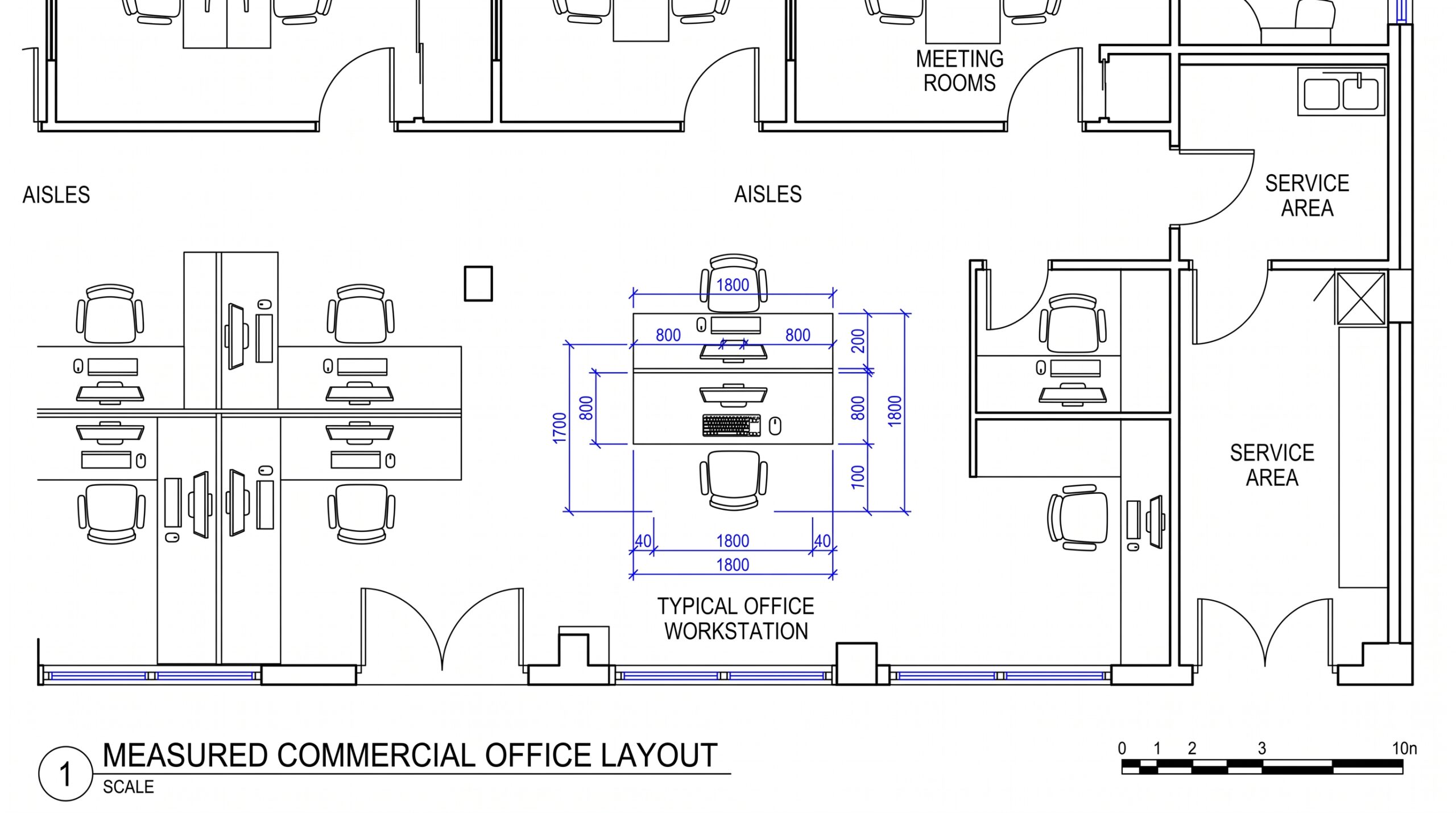
A cabinet can fit against a wall and still block the room once the drawers open. Measure the furniture itself plus the space required to access it.
Check:
This is especially important for filing placed behind a desk or beside a workstation. The user should be able to open the cabinet without trapping the chair or blocking a main walkway.
Taller bookcases and storage cabinets can add capacity without using additional floor width, but height should be chosen around what needs to be accessed regularly. Frequently used items are easier to manage when they remain within a practical reach range.
Tall furniture should also be placed where it does not interfere with windows, wall-mounted equipment, lighting or the visual openness of a small office.
Some offices handle documents or materials that should not remain visible or freely accessible. When storage needs to be secured, compare products that include appropriate locking features and confirm exactly what the lock secures.
Do not assume every filing cabinet or storage cabinet locks simply because similar models do. Check the actual product specifications before requesting a quote.
Storage should support the workstation rather than compete with it. A pedestal that fits under the desk can save floor space, but it also reduces the room available for knees and legs. A large lateral file behind the chair can provide useful capacity but may require more clearance than the office allows.
Plan desks, chairs and storage together so employees can reach what they need without creating a crowded workstation.
The current 309 Office Furniture filing and bookcase category includes several different storage approaches. Examples include 2-Drawer Lateral Files, the Avondale Sliding Door Bookcase, Hartford Bookcase With Doors, Hartford Open Bookcase and Platinum Door Bookcase.
Those options illustrate the main planning choice: paper files may need drawer-based storage, while books and supplies may work better in open or closed shelving. The correct option depends on what the office is storing and where the furniture will sit.
A lateral file can be a useful choice when an office has a significant amount of paper filing and enough wall width for the cabinet. Because the unit is generally wider than a vertical file, it can also work below windows or along walls where taller storage would feel too heavy.
The 309 catalog currently includes multiple 2-Drawer Lateral File listings, making this a category worth comparing in person when dimensions, finishes or drawer configuration are important.
Choose a bookcase when the material is better stored upright and visible rather than inside file drawers. Reference books, binders, manuals and display materials are easier to scan on shelving.
If the office needs both visibility and concealment, a bookcase with doors can create a middle ground. Open shelves can hold frequently used materials, while enclosed sections keep less attractive supplies or equipment out of sight when the product configuration allows it.
Small offices benefit from storage that earns its floor space. Start by moving rarely used materials out of the main work zone, then keep daily items close to the desk.
A lower lateral file, under-desk pedestal or taller bookcase may provide more usable capacity than several small pieces scattered around the room. The best choice depends on the wall space, ceiling height, desk position and how often the contents are accessed.
Larger offices should separate individual storage from shared storage. Personal supplies and active files can stay close to workstations, while shared documents, printer supplies and archived materials can be centralized.
This reduces duplication and makes it easier to plan the floor. It also helps keep larger cabinets out of employee work areas unless those cabinets are actually used throughout the day.
Do not purchase cabinets to store materials the office no longer needs. Review files, supplies and equipment first, then size the storage around what remains.
A large cabinet is not helpful if drawers block a walkway or the top shelves are impractical for the people using them. Capacity and placement need to be considered together.
Storage that holds daily materials should be reasonably close to the people who use it. Rarely accessed records can be placed farther away.
Open shelving is easy to access, but mixed supplies and paperwork can quickly look cluttered. Use closed storage when the contents do not need to stay visible.
Always measure the furniture in use, not just when closed. Drawer extension and door swing can change how much room the storage requires.
A lateral file is wider and generally shallower from front to back, while a vertical file has a narrower front and deeper drawers. The better option depends on wall width, file volume and the space available in front of the cabinet.
Not necessarily. Employees who use active paper files or supplies throughout the day may benefit from personal storage. Shared or mostly digital teams may work better with centralized cabinets and less storage at each desk.
Yes, when the office needs visible storage for books, binders, manuals or display materials. If the contents should stay out of view, consider a bookcase with doors or a closed cabinet instead.
Prioritize the items used most often, reduce unnecessary materials and compare vertical storage, lateral files and compact pedestal options. Measure how drawers and doors open before choosing the final placement.
309 Office Furniture & Design has a showroom at 1711 Bethlehem Pike in Hatfield, Pennsylvania. Buyers can compare office furniture in person and discuss available storage options before requesting a quote.
The best office storage is the storage employees can actually use without disrupting the workspace. Start with the contents, decide how often they need to be accessed, then choose filing, shelving or closed storage that fits the room.
That approach creates a cleaner office and prevents storage furniture from becoming another obstacle around desks, chairs and walkways.
Compare lateral files, open and closed bookcases, desks, chairs and other office furniture at the 309 Office Furniture & Design showroom in Hatfield, Pennsylvania.
1711 Bethlehem Pike, Hatfield, PA 19440
(215) 822-3333